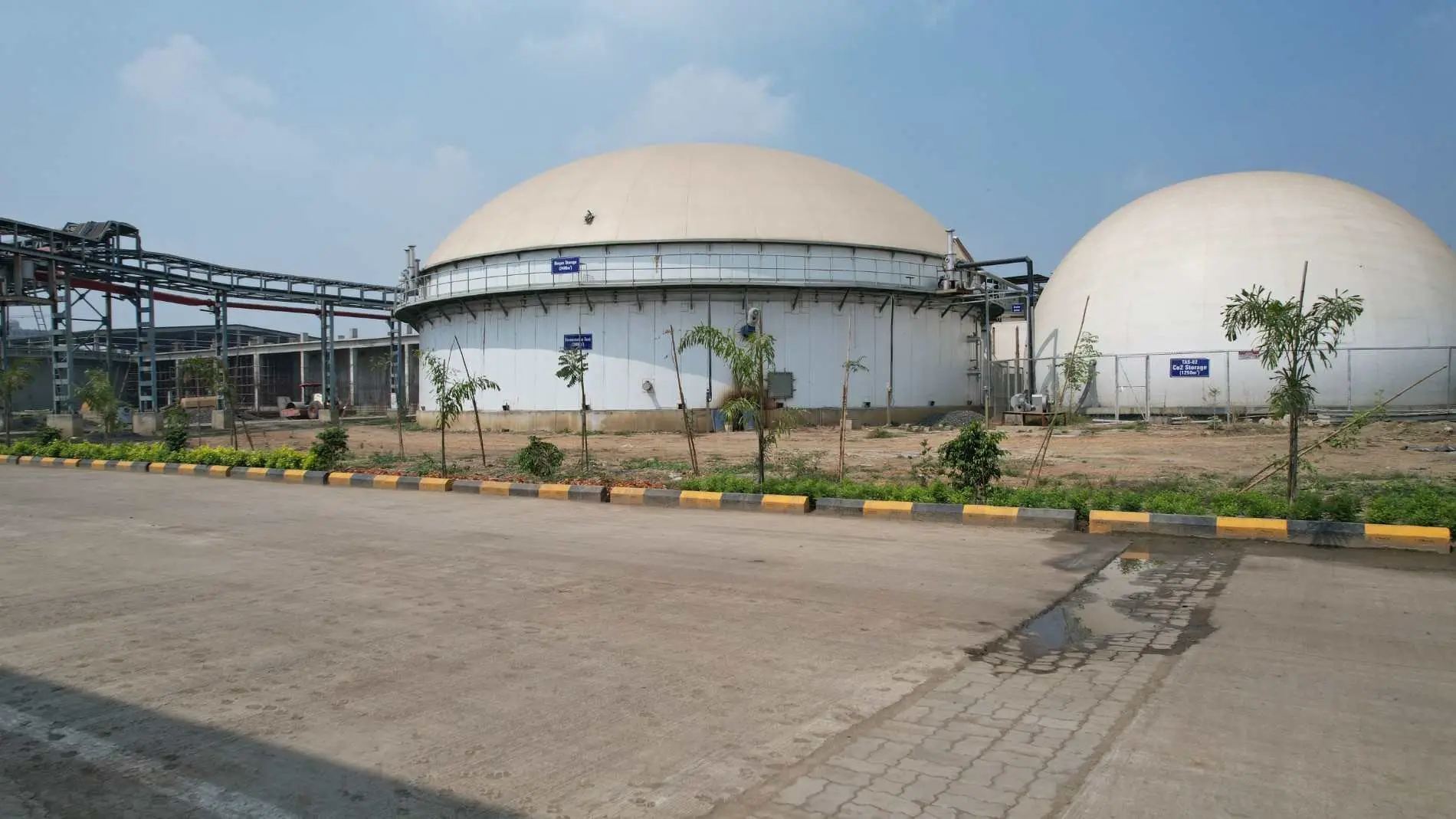
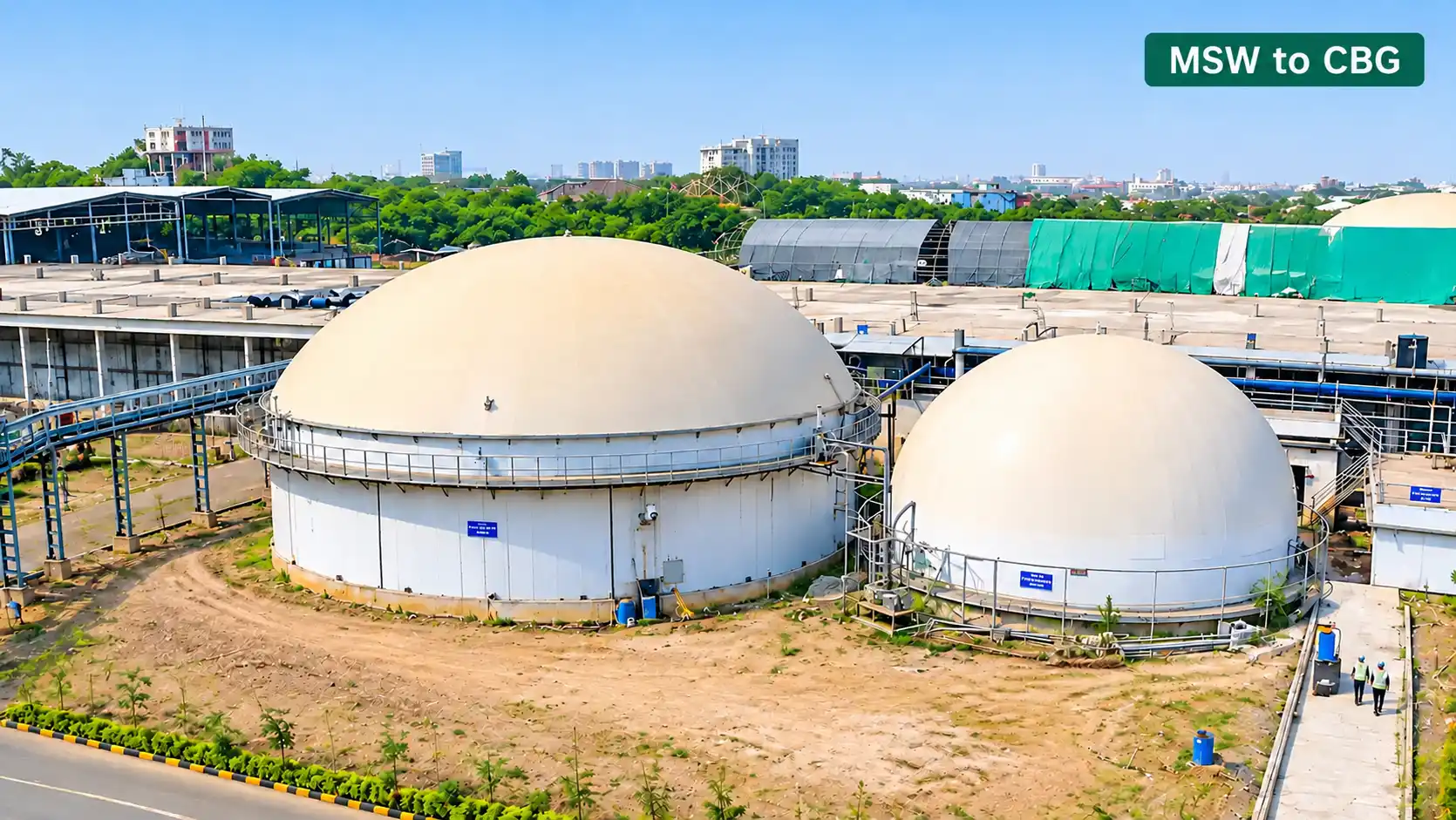
Keva Green brings proven dry fermentation technology from the Netherlands to India, helping turn the organic part of everyday waste into biogas for compressed biogas (CBG) production, while producing compost and recovering recyclables.
Our approach brings together Dutch technology from WTT, project execution by Keva Green and the backing of Keva Group to create practical waste-to-resource solutions.
Every day, homes, markets and businesses generate waste that needs to be managed responsibly. Yet the organic portion can become clean fuel and compost, and recyclables can return to the economy.
Keva Green exists to help unlock that value, delivering proven, best-practice waste treatment projects with governments, municipalities and communities as partners.
Why We Exist
Waste Shouldn’t Be The End Of The Story.
Every day, homes, markets and businesses generate waste that needs to be managed responsibly. Yet the organic portion can become clean fuel and compost, and recyclables can return to the economy.
Keva Green exists to help unlock that value, delivering proven, best-practice waste treatment projects with governments, municipalities and communities as partners.
The Senior Leadership Team
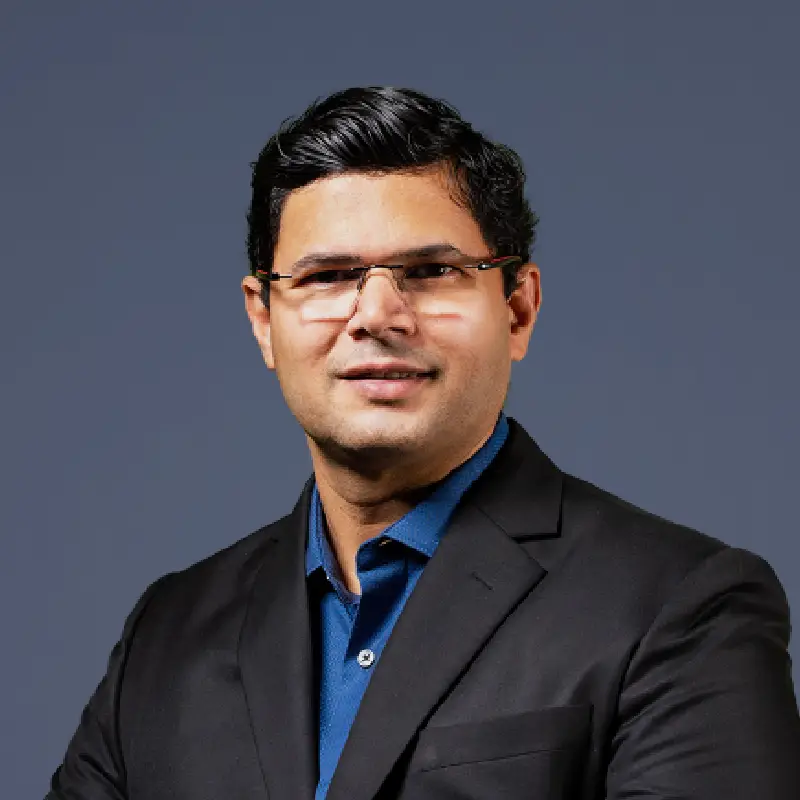
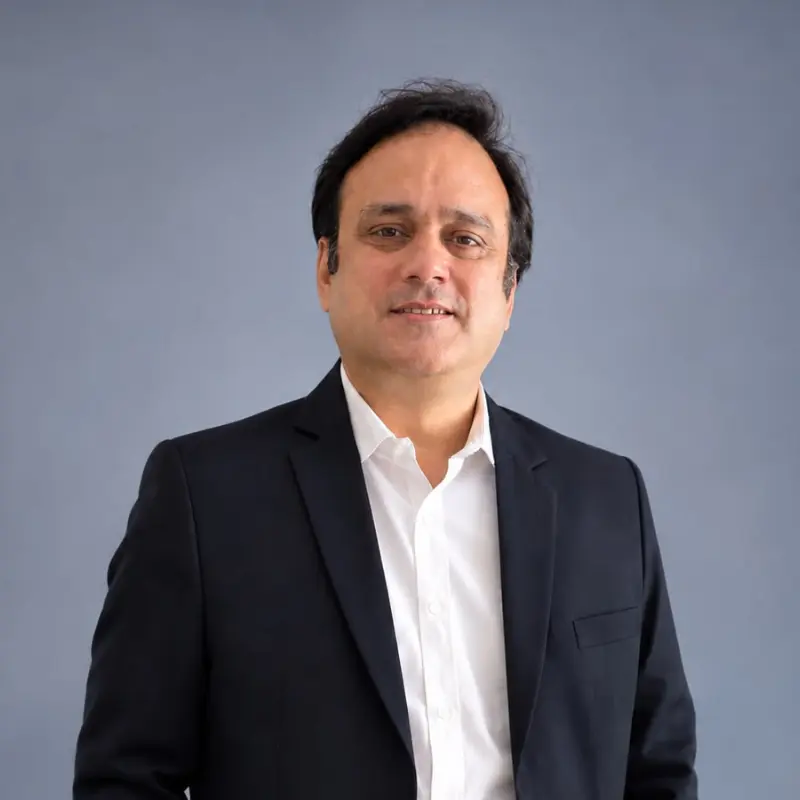
Kedar Ramesh Vaze
Director & CEO
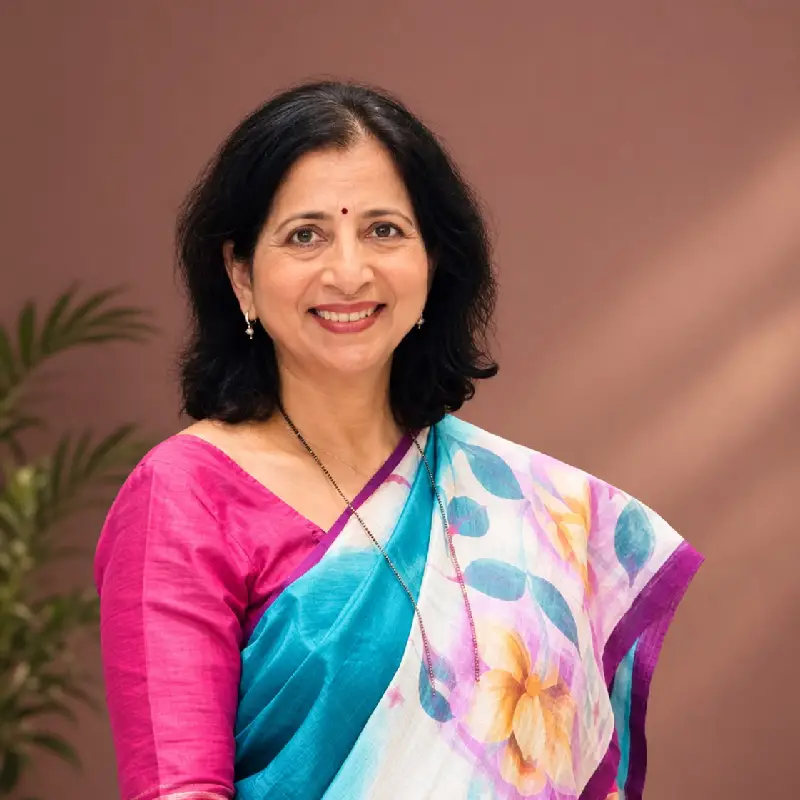
Vrinda Thakur
Executive Director
Vinod Tandon
Director of Finance & Business Development
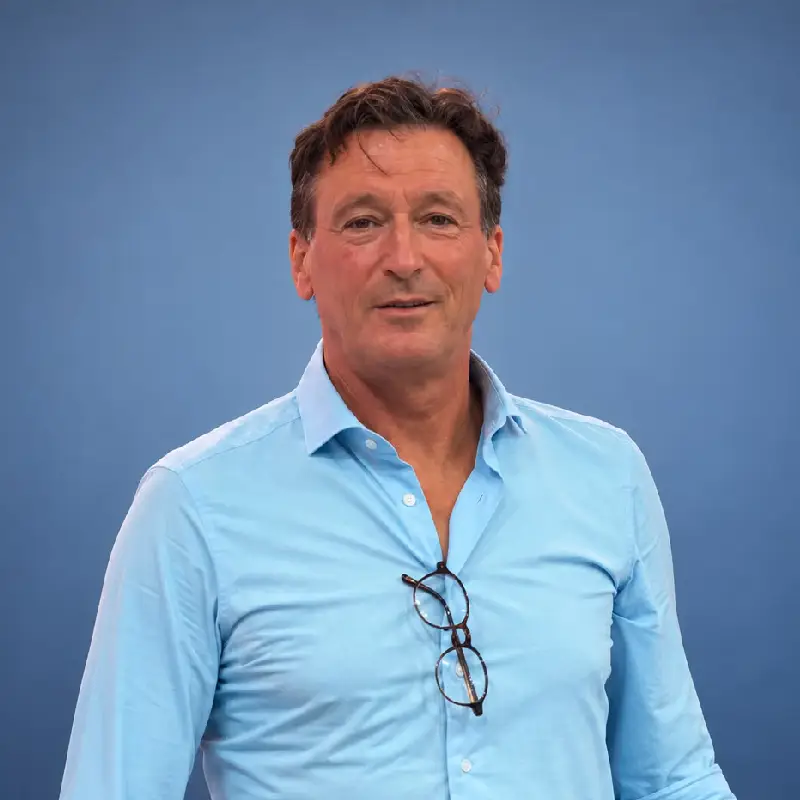
Poul Spierings
Director SusBDe India B.V.
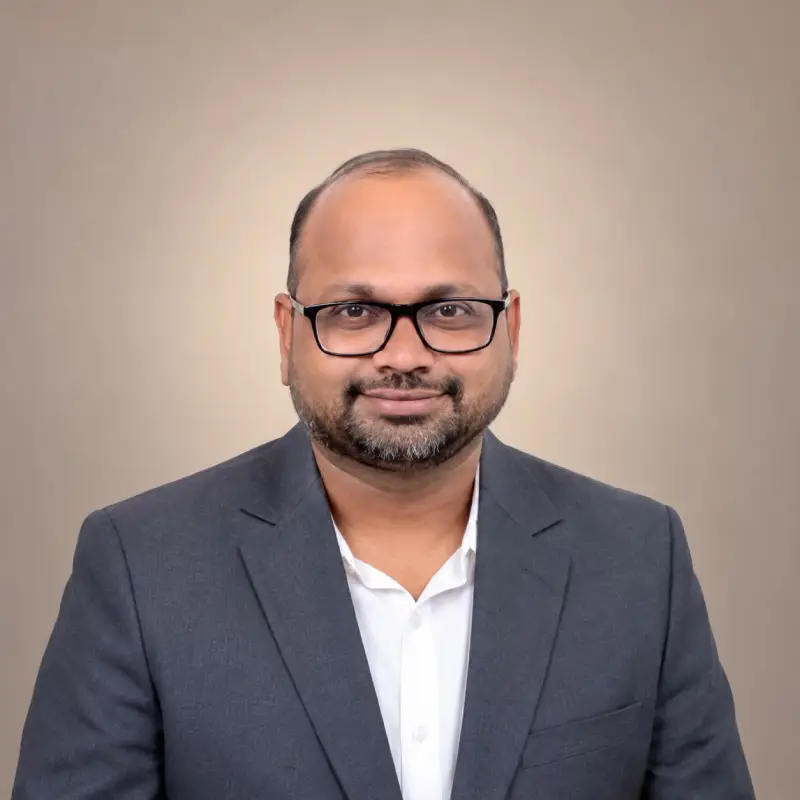
Vijay Chiplunkar
AVP Operations
Our Vision
Make sustainability tangible by unlocking the untapped energy and environmental value of organic waste.
Our Mission
Deliver proven, best-practice waste treatment projects, working with governments, municipalities and communities as partners.
How We Work
Municipal Waste To Compressed Biogas
Arrival
Municipal solid waste delivered to the plant
Segregate
Recyclables, RDF and inerts removed
Digest
About 21 days in dry tunnels
Upgrade
Biogas cleaned to over 97% methane
Dispense
Compressed biogas (CBG) as fuel
Our Technology
Dry Fermentation
— Solid-State Anaerobic Digestion
Keva Green’s approach uses dry fermentation, also known as solid-state anaerobic digestion. Microorganisms break down suitable organic waste in an oxygen-free environment, producing biogas and a solid residue that can be processed into compost.
High-Solids Processing
Low Water Use
Modular and Scalable
Batch-Based Processing
35–40°C
Operating temperature
21–23 days
Batch retention time
50–55% CH₄
Methane content of raw biogas (before upgrading)
Carbon Credits
Climate Value, Beyond The Plant.
By capturing methane and keeping organic waste out of landfill, Keva Green’s projects also reduce greenhouse gas emissions. These reductions can be measured, independently verified and registered as carbon credits, adding climate value to the energy, compost and recyclables each plant delivers.
Methane Captured
Dry fermentation breaks down organic waste in sealed tunnels, so methane is captured as biogas and not released into the atmosphere.
Fossil Fuel Replaced
Biogas is upgraded to compressed biogas (CBG), a clean fuel that can replace imported fossil fuel for vehicles and industry.
Landfill Avoided
Full processing of municipal waste cuts landfill volumes to near zero, and compost and recyclables return to the economy.
From Emission Reduction To Carbon Credit
The usual pathway for waste-to-energy projects under recognised carbon standards.
01
Reduce
Plants divert organic waste and capture methane at scale.
02
Measure
Waste processed and gas produced are metered and recorded.
03
Verify
An independent body checks the reductions against a recognised methodology.
04
Credit
Verified reductions can be issued as carbon credits on a registry.
A Better Way Forward
From Waste Management To Resource Recovery.
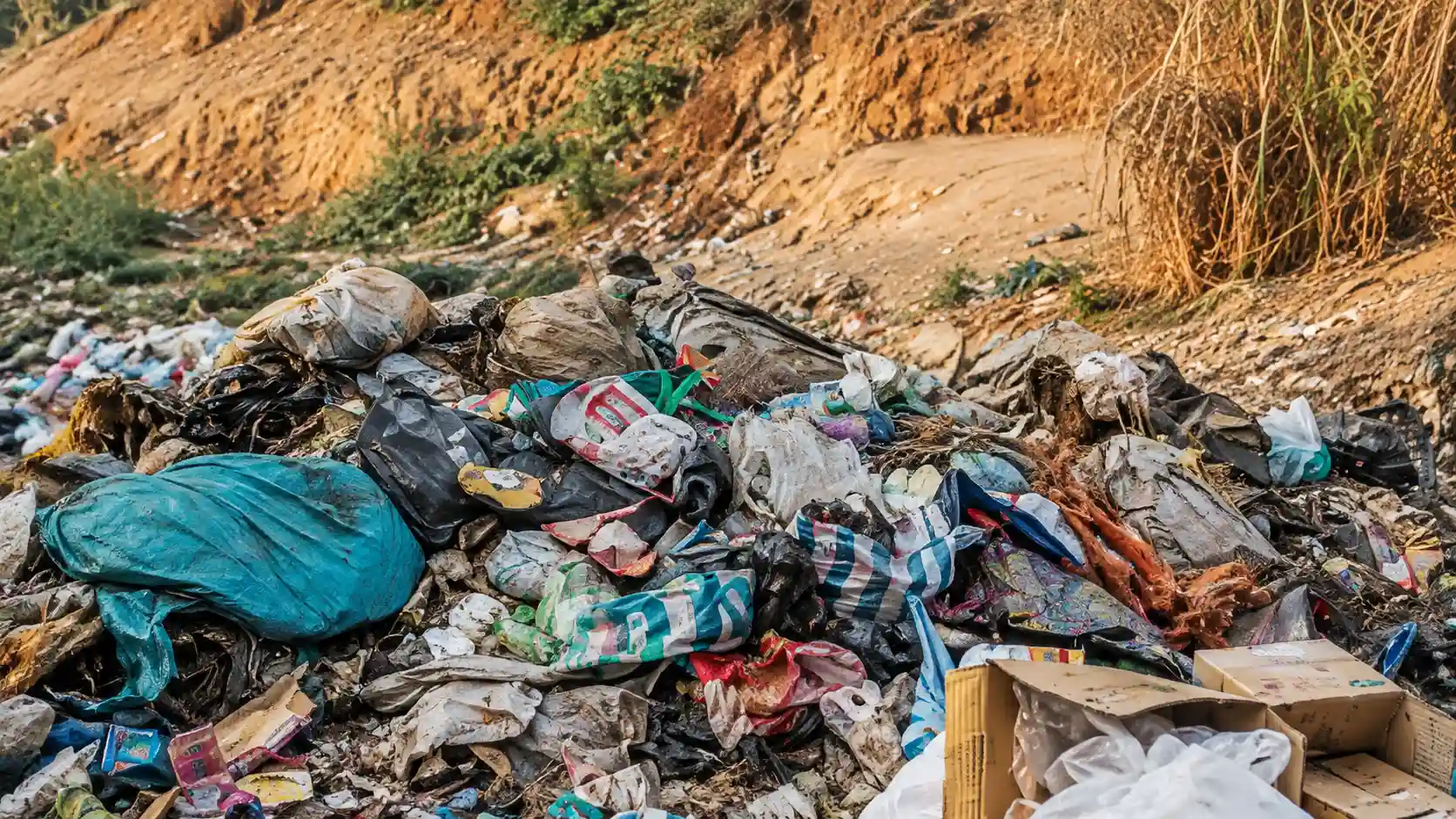
Municipal waste can be more than a disposal challenge. With appropriate infrastructure and effective operations, it can become a source of energy and recoverable materials.
The Challenge Today
Incomplete processing of municipal solid waste
Risk of Pollution Control Board non-compliance
Risk of National Green Tribunal penalties
Leachate contaminating the groundwater
Air pollution and odour from open dumps
Falling short of Swachh Bharat Mission goals
The Opportunity
Full processing of municipal waste, a best-in-class city
Fewer penalties and lower regulatory risk
Controlled emissions and no discharge of fluids
Landfill volumes cut to near zero
Full contribution to Swachh Bharat Mission targets